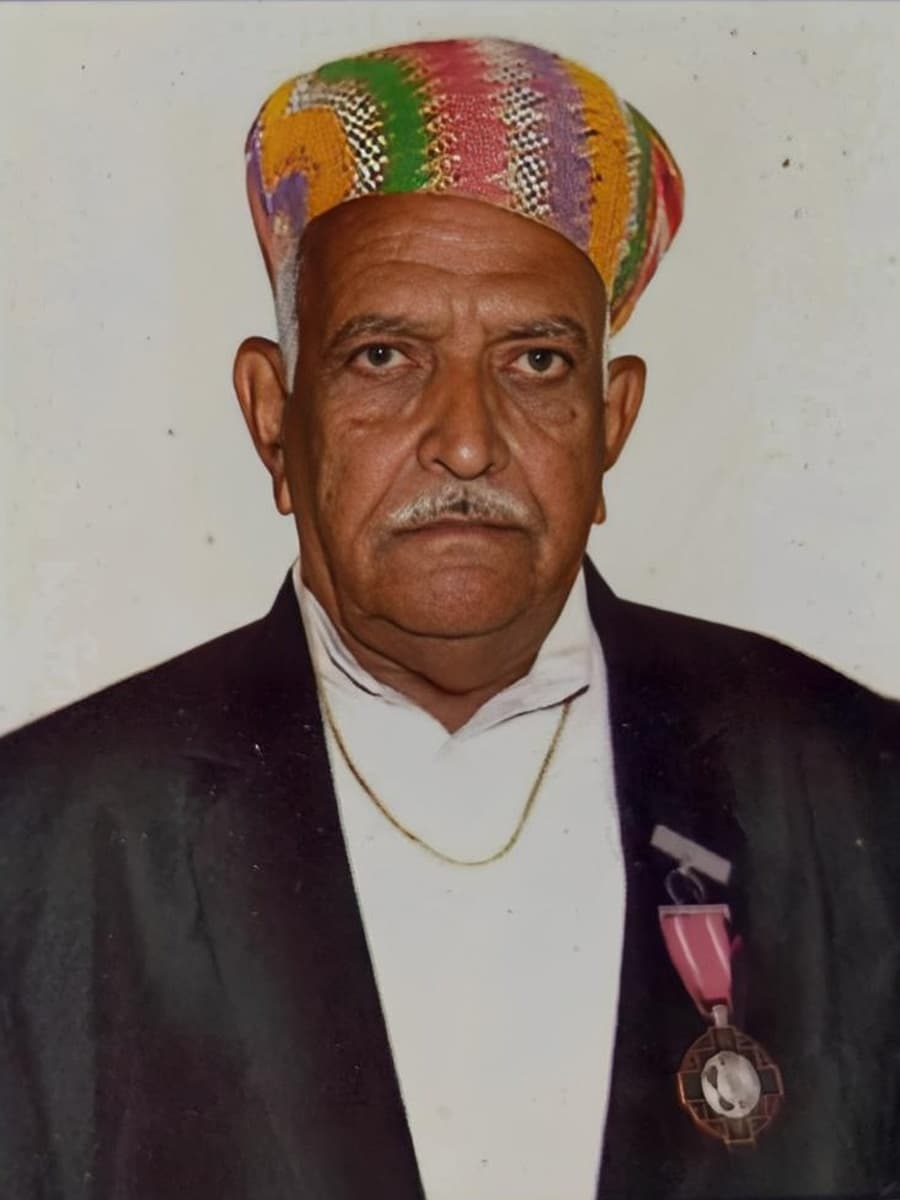
Padma Shri
Late Padma Shri Mohan Lal Kumhar
Master Craftsman & Founder · 1939 – 2023
The artisan who carried Molela terracotta from the village shrine to national recognition.
25th Generation
Ancestral Master Artisan
Votive Plaques & Murals
Pioneered Secular Panels
Padma Shri (2012)
Shilp Guru (2003)
Molela, Rajasthan
GI Tagged Craft GI-160
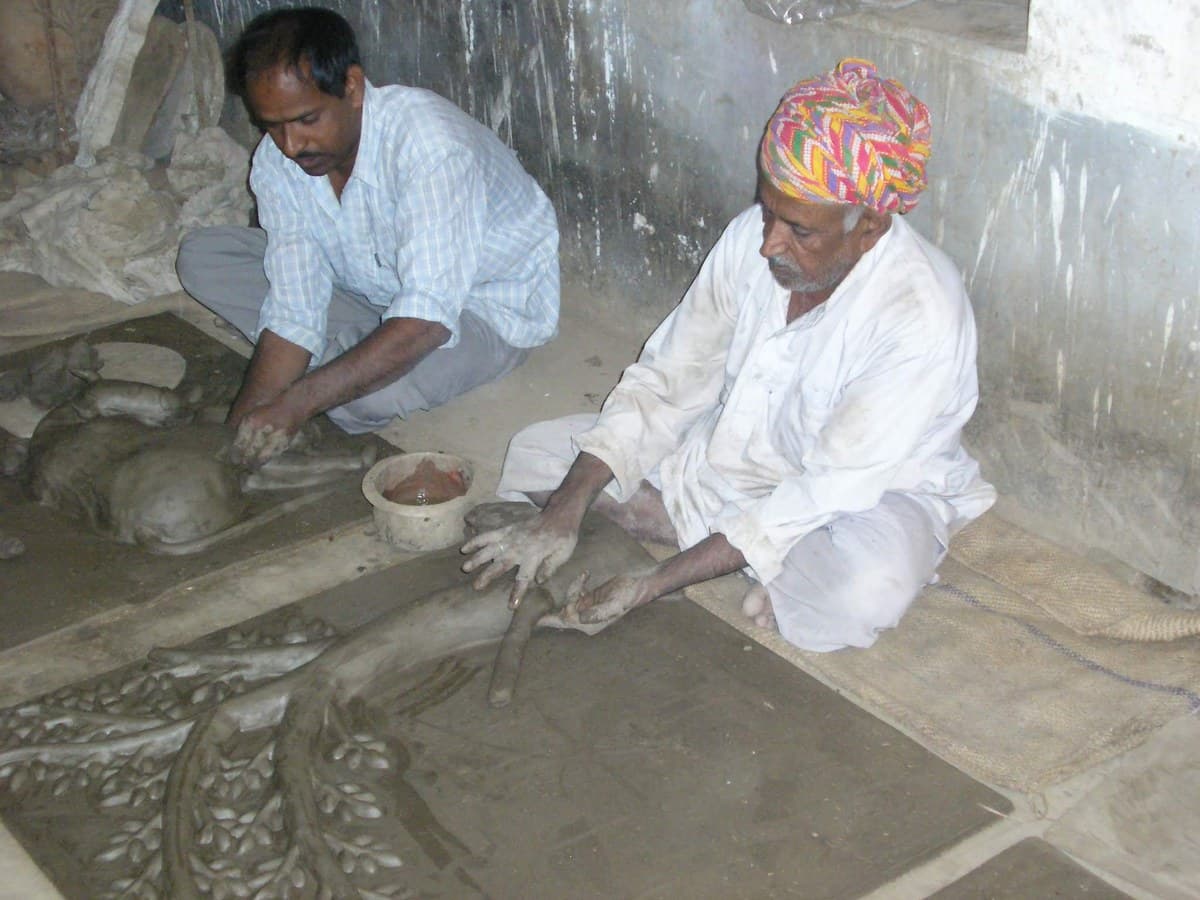
Mohanlal Chaturbhuj Kumhar was born on 4 February 1939 into the Kumhar community of Molela, in the Nathdwara tehsil of Rajsamand district, Rajasthan. He learned the craft the way it has always been learned here — by watching, helping, and slowly being handed more of the work. Nothing about that transmission is formal. Children begin with the clay, move on to building up relief, and come to the firing last, which is the stage that can destroy a month of work in an afternoon.
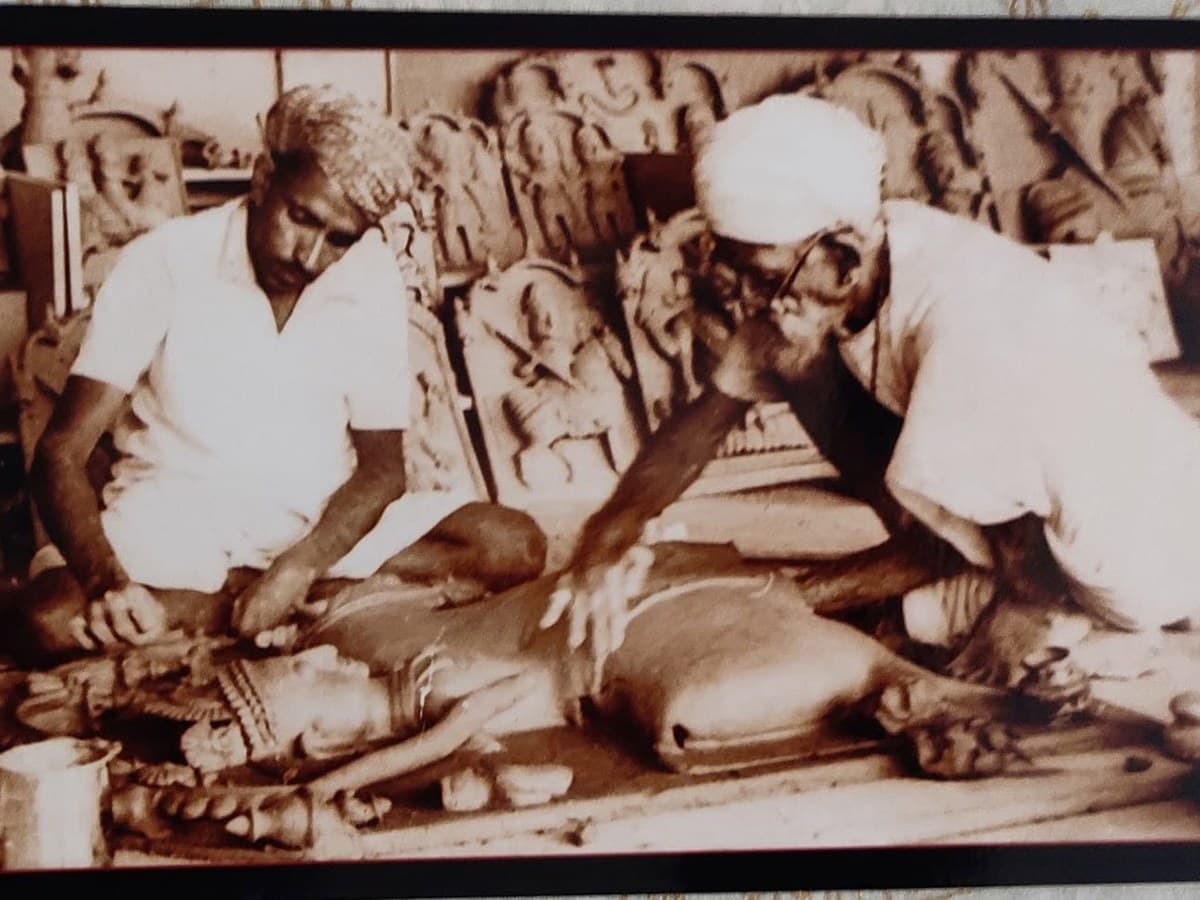
His speciality was the flat-relief plaque, a form that has little to do with conventional pottery. Figures are drawn out of a clay slab rather than cut into it — the clay is built up on the surface until the scene stands off the panel. The back is left hollow. That is partly so the piece is light enough to hang on an ordinary wall, and partly because a solid slab of that thickness would crack in the kiln.
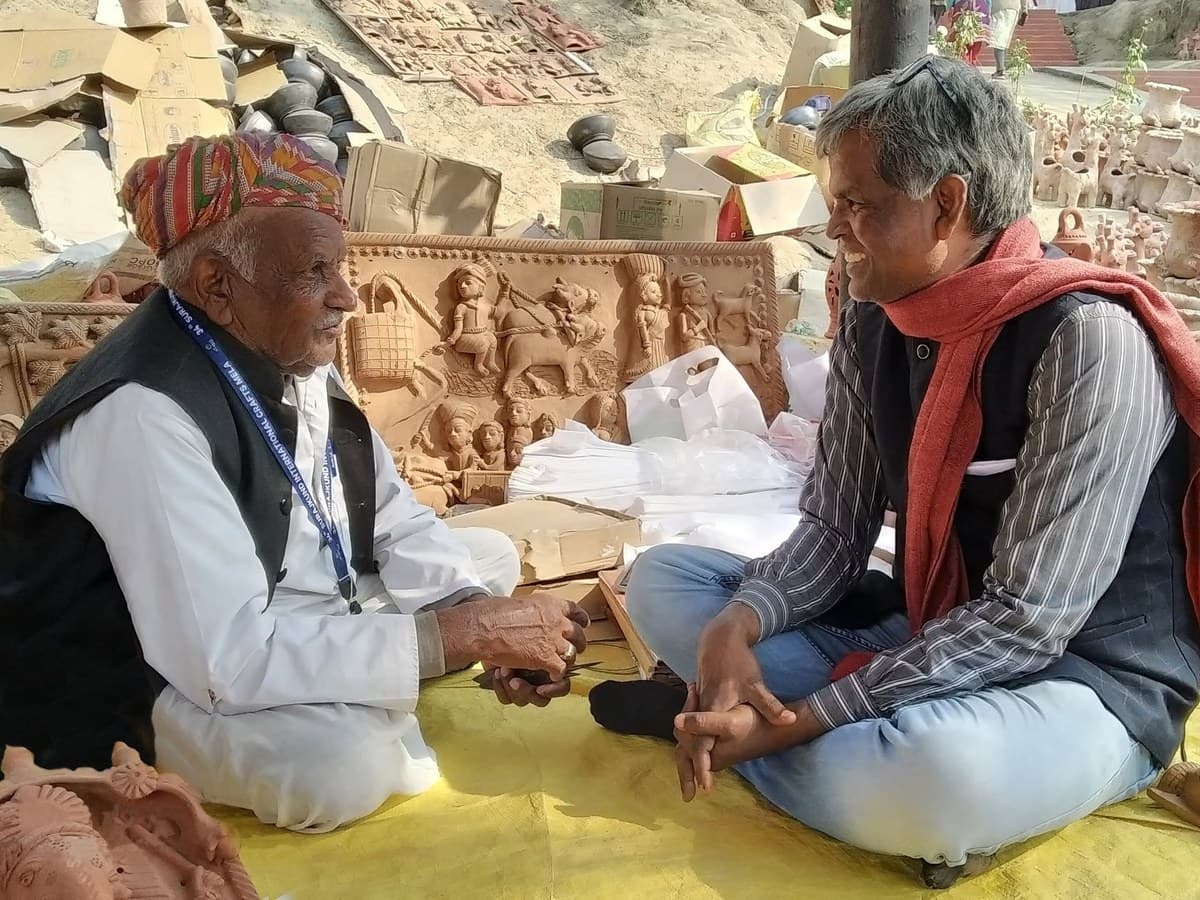
What set his work apart was composition. He could hold a whole narrative on one panel without crowding it, and he kept the traditional iconography intact — Devnarayan, Dharamraj, Pabuji, the local deities the plaques have always carried — while quietly refining how they were arranged.
He is the reason the craft is read as art rather than only as ritual object. For centuries these plaques were made for the shrine, ordered by Bhil, Gujjar and Jat families and installed with a rite. He was central to their also being exhibited, collected and taught, and he did that without letting the visual language drift away from the village that produced it.
A historic turning point occurred in 1981 during the landmark Aditi-India Festival. Prior to that, Molela potters crafted exclusively traditional votive deities and utility vessels. Encouraged by festival organizers to depict the living world around them, Mohan Lal Kumhar sculpted square tiles capturing village life — fairs, weddings, and farming — arranged into a monumental panel entitled "Fair Time". That breakthrough gave birth to contemporary secular plaques, bridging ancient tribal votive rites with modern architectural art.
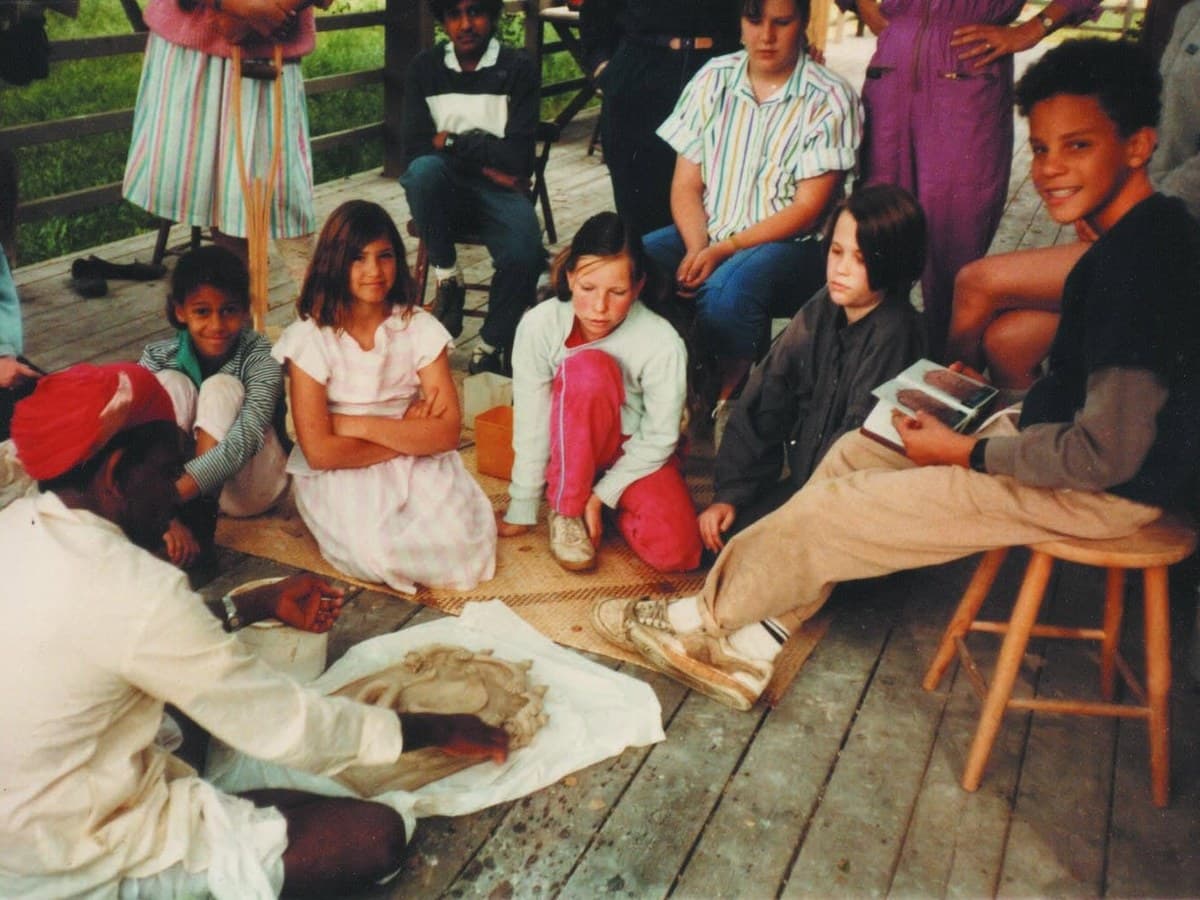
Over a prolific career spanning six decades, he promoted traditional Molela terracotta art across the world. He conducted live sculpting demonstrations, workshops, and masterclasses in countries including the United States, Spain, France, Greece, and Australia, introducing international audiences to Rajasthan’s indigenous clay heritage.
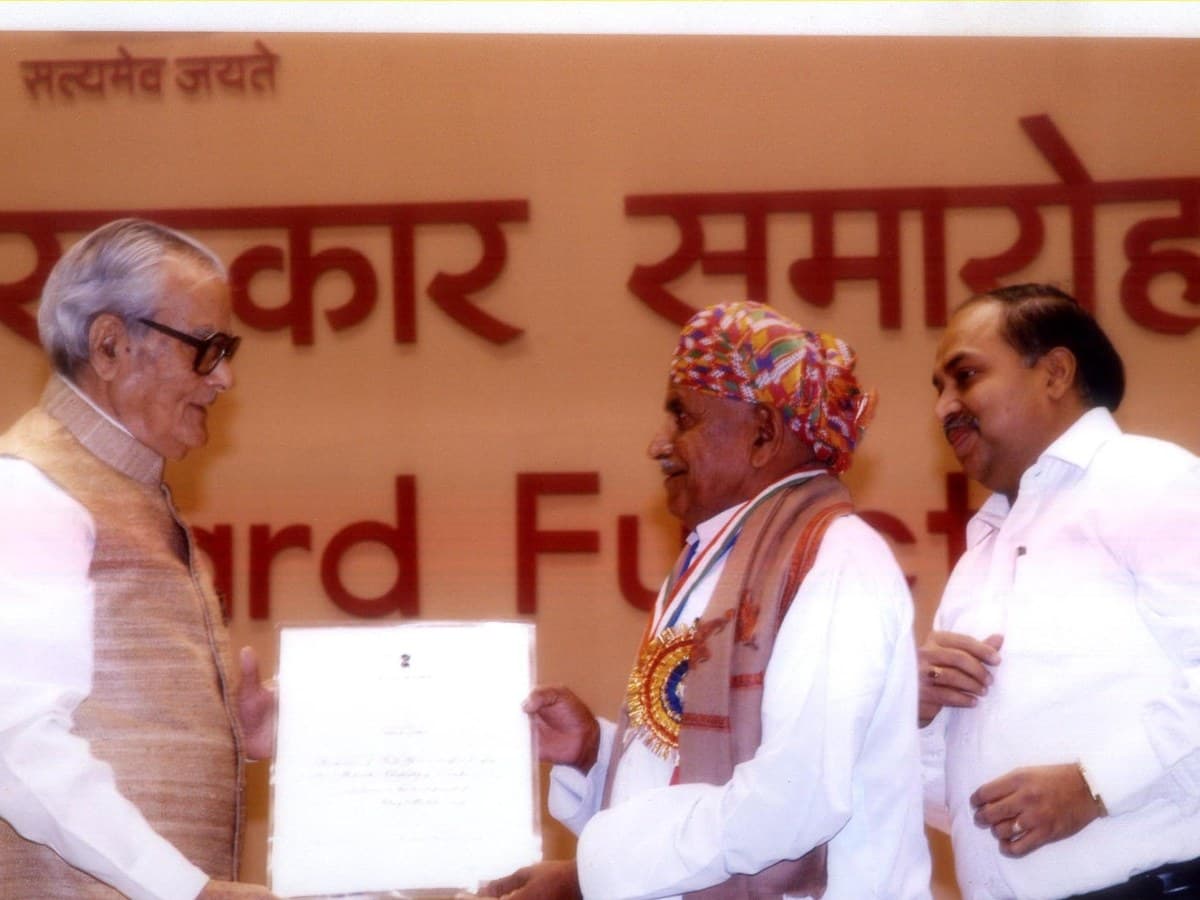
The recognition came steadily rather than all at once: the Rajasthan State Award in 1984, the Master Craftsman National Award in 1988, the Kala Shree Award in 1991, the Raj Ratan Award in 1997, the Maharana Sajjan Singh Award (Maharana Mewar Foundation) in 2001, the Shilp Guru Award in 2003, and the Kalamani Award at the 23rd Surajkund Crafts Mela.
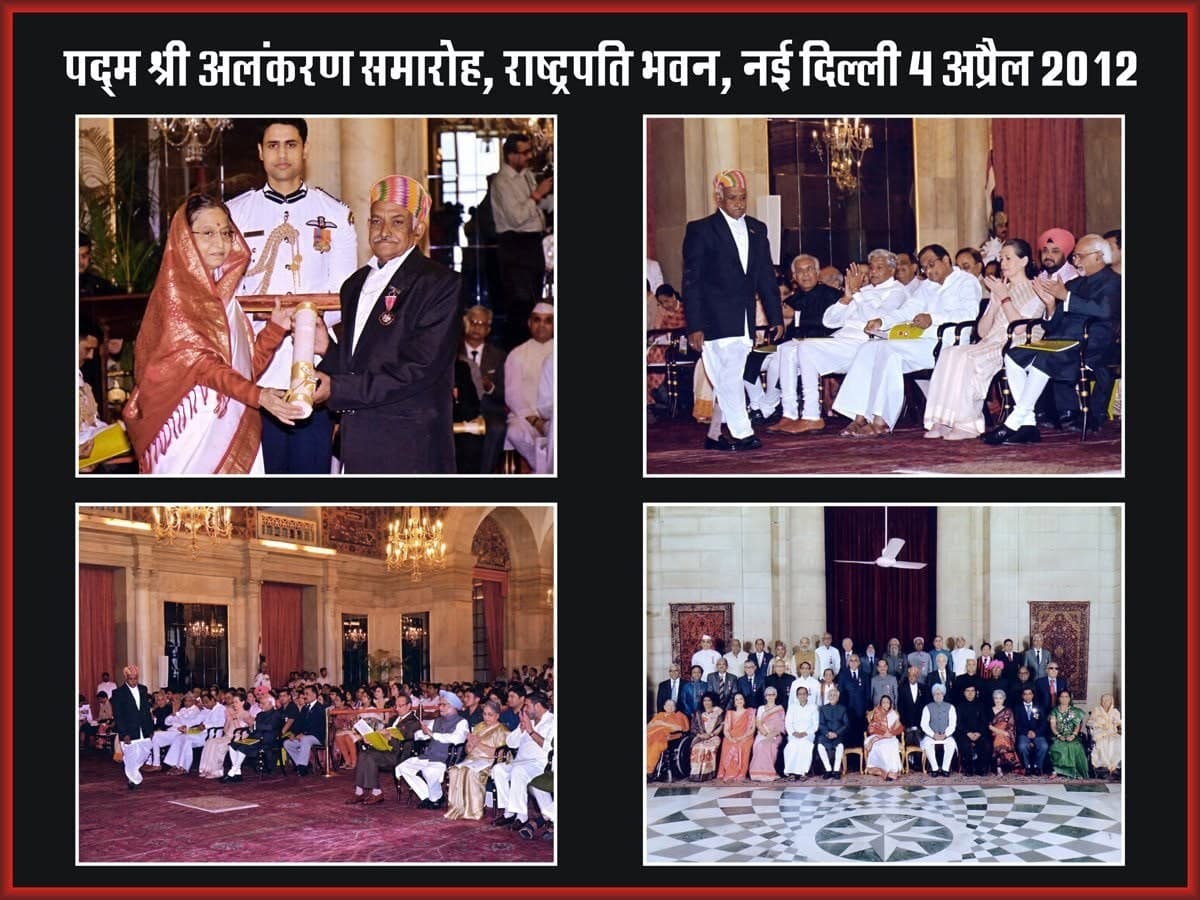
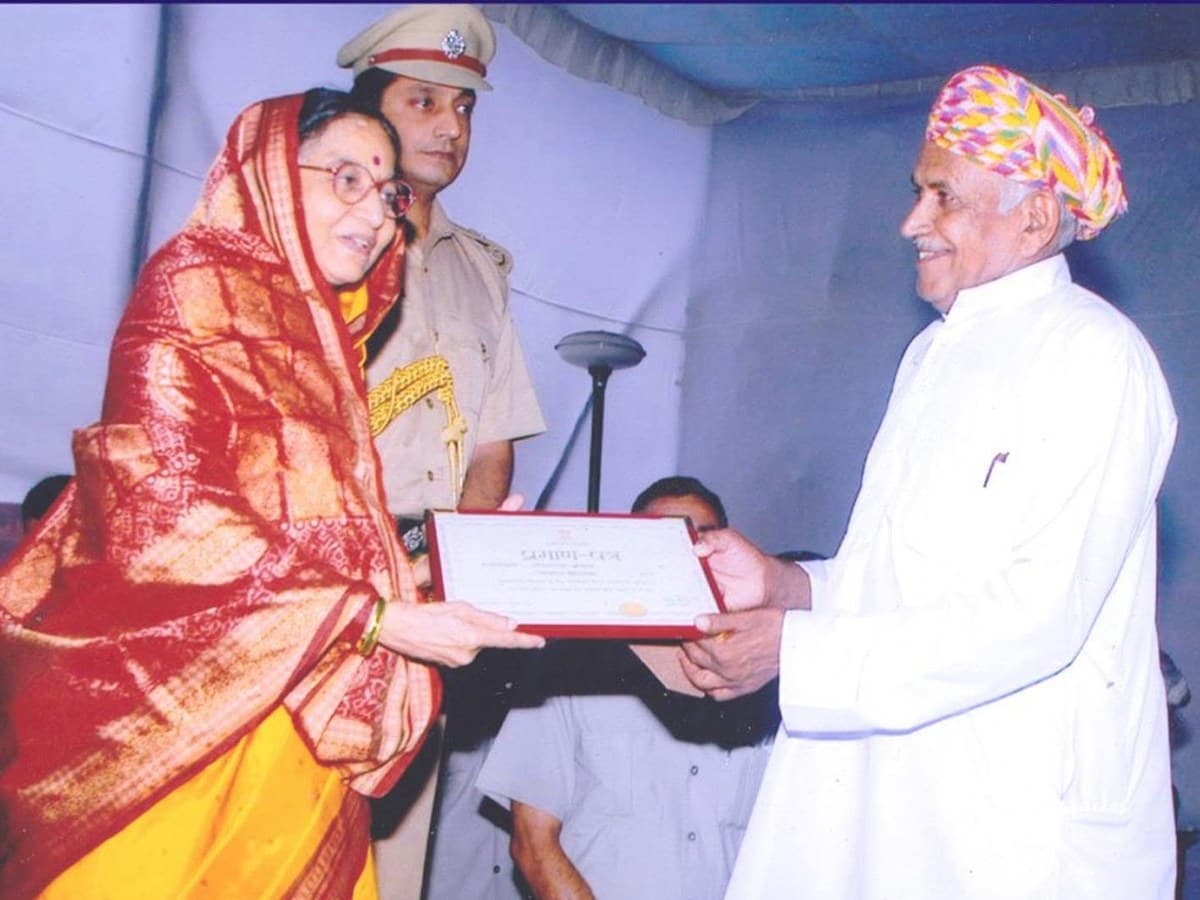
In 2012, he was conferred the Padma Shri by President Pratibha Patil at Rashtrapati Bhavan, India’s fourth-highest civilian honour. It remains the single clearest external marker of what this craft is, and it was given to a man who spent his working life in one village of a few thousand people.
He passed away on 7 July 2023 at the age of 84. His legacy and ancestral workshop continue today through his son, Dinesh Chandra Kumhar, and subsequent generations carrying the living tradition forward in Molela.
Documentary & Recognition
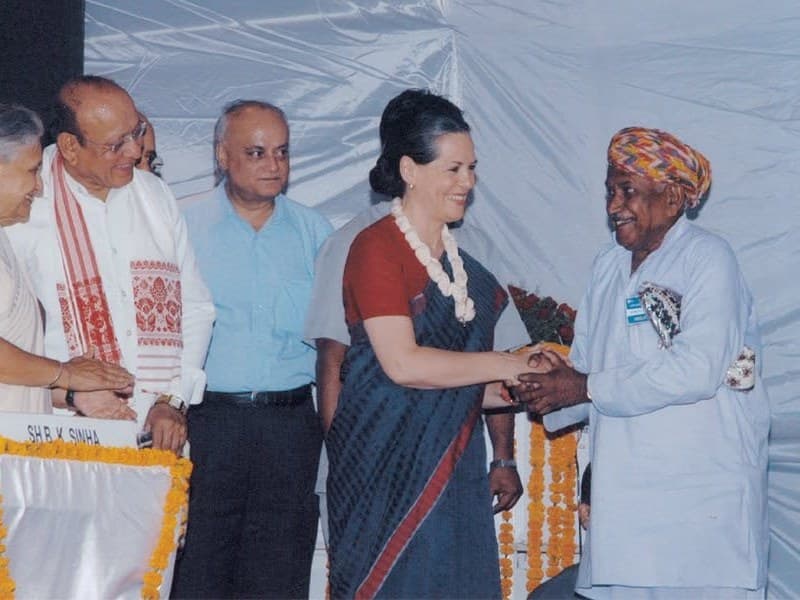
Honours and awards
- 2012Padma Shri
- 2009Kalamani Award (23rd Surajkund Crafts Mela)
- 2003Shilp Guru Award
- 2001Maharana Sajjan Singh Award
- 1997Raj Ratan Award
- 1991Kala Shree Award
- 1988Master Craftsman National Award
- 1984Rajasthan State Award