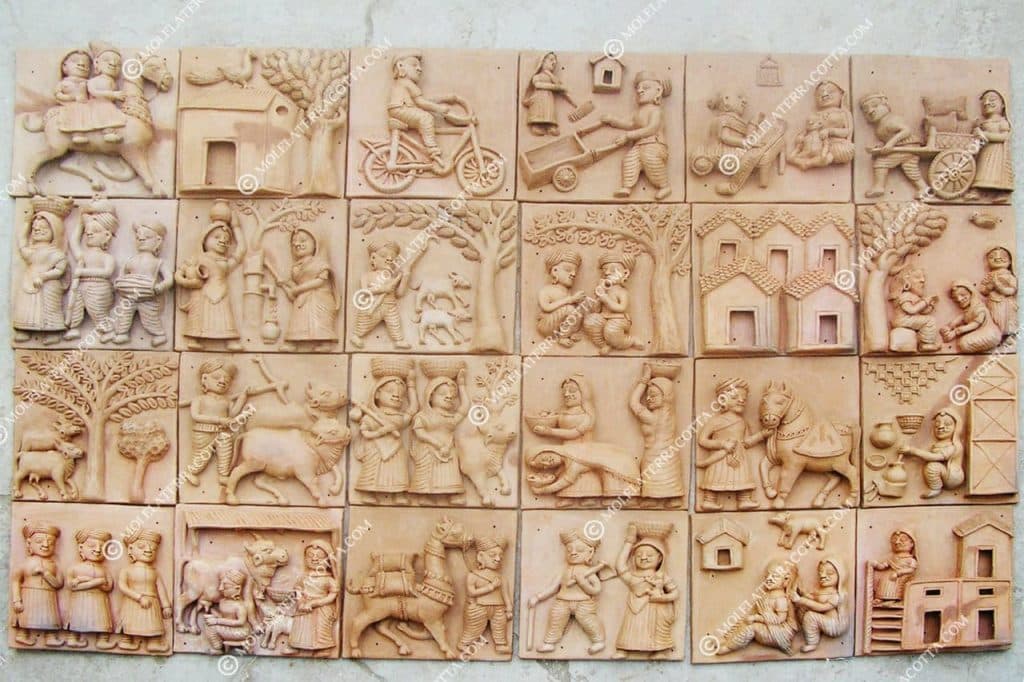
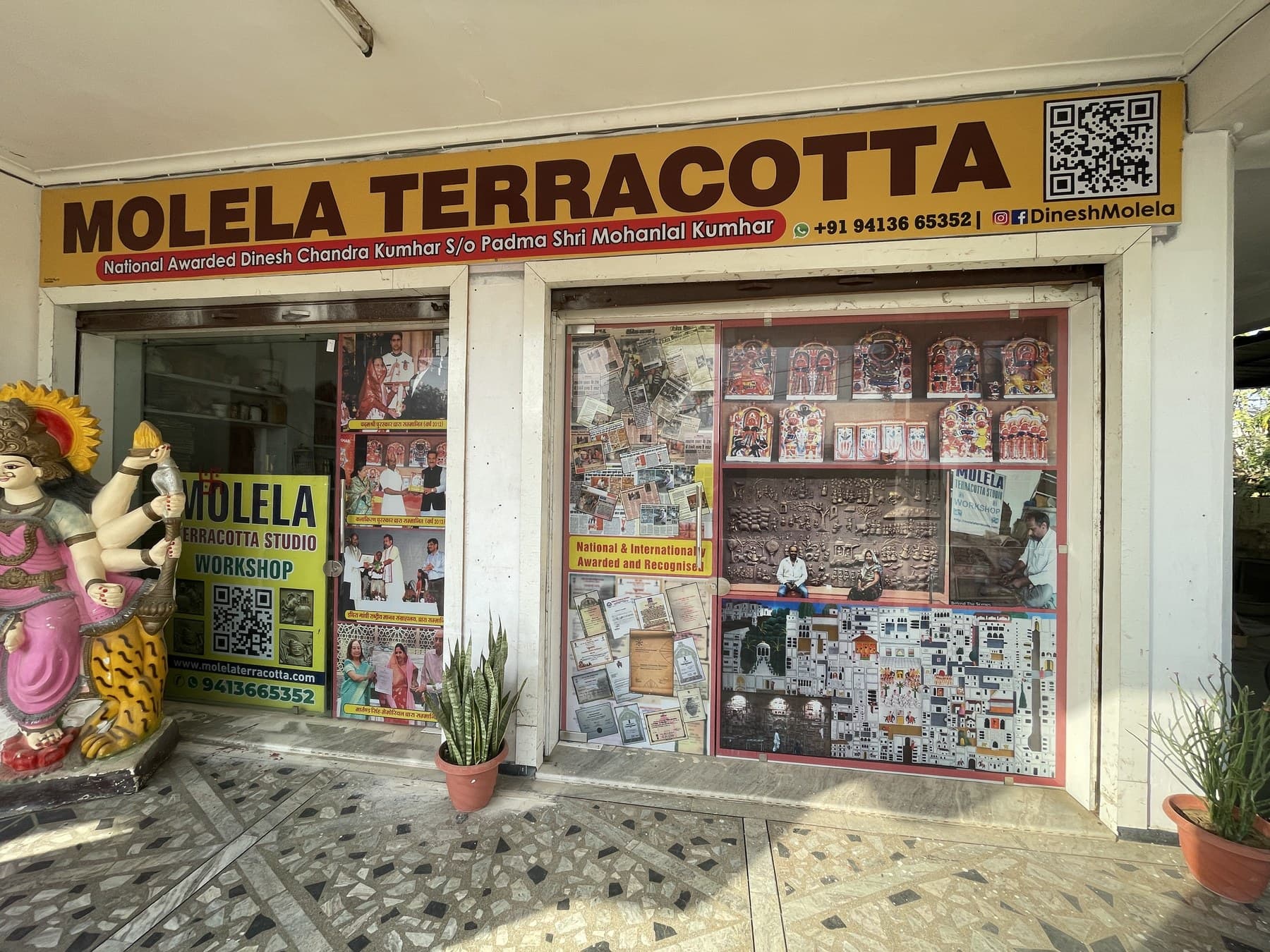
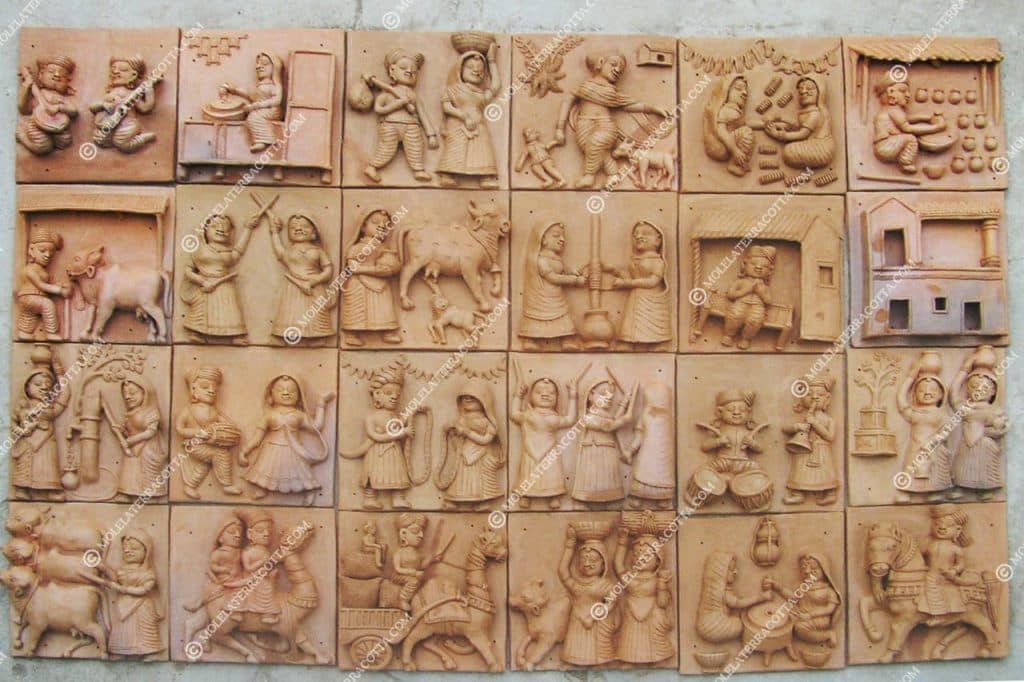
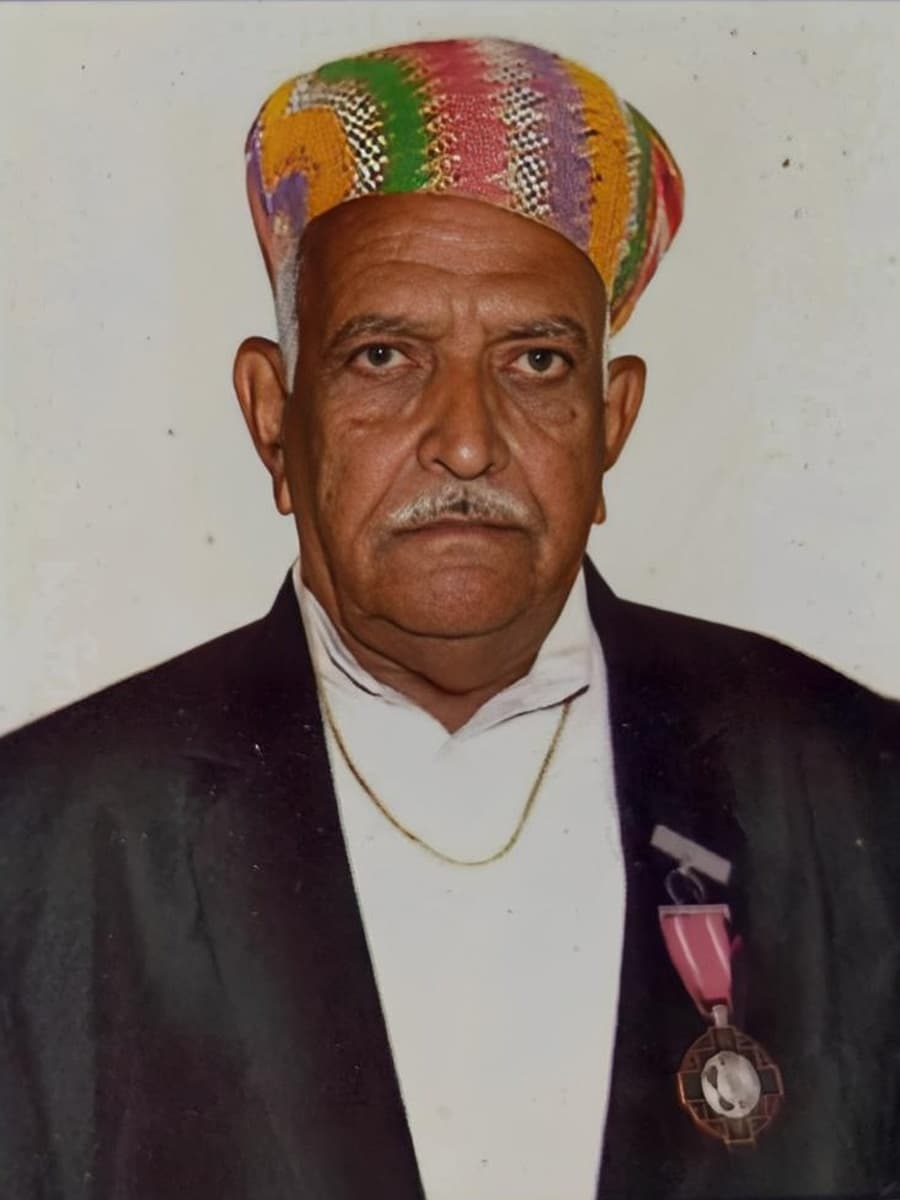
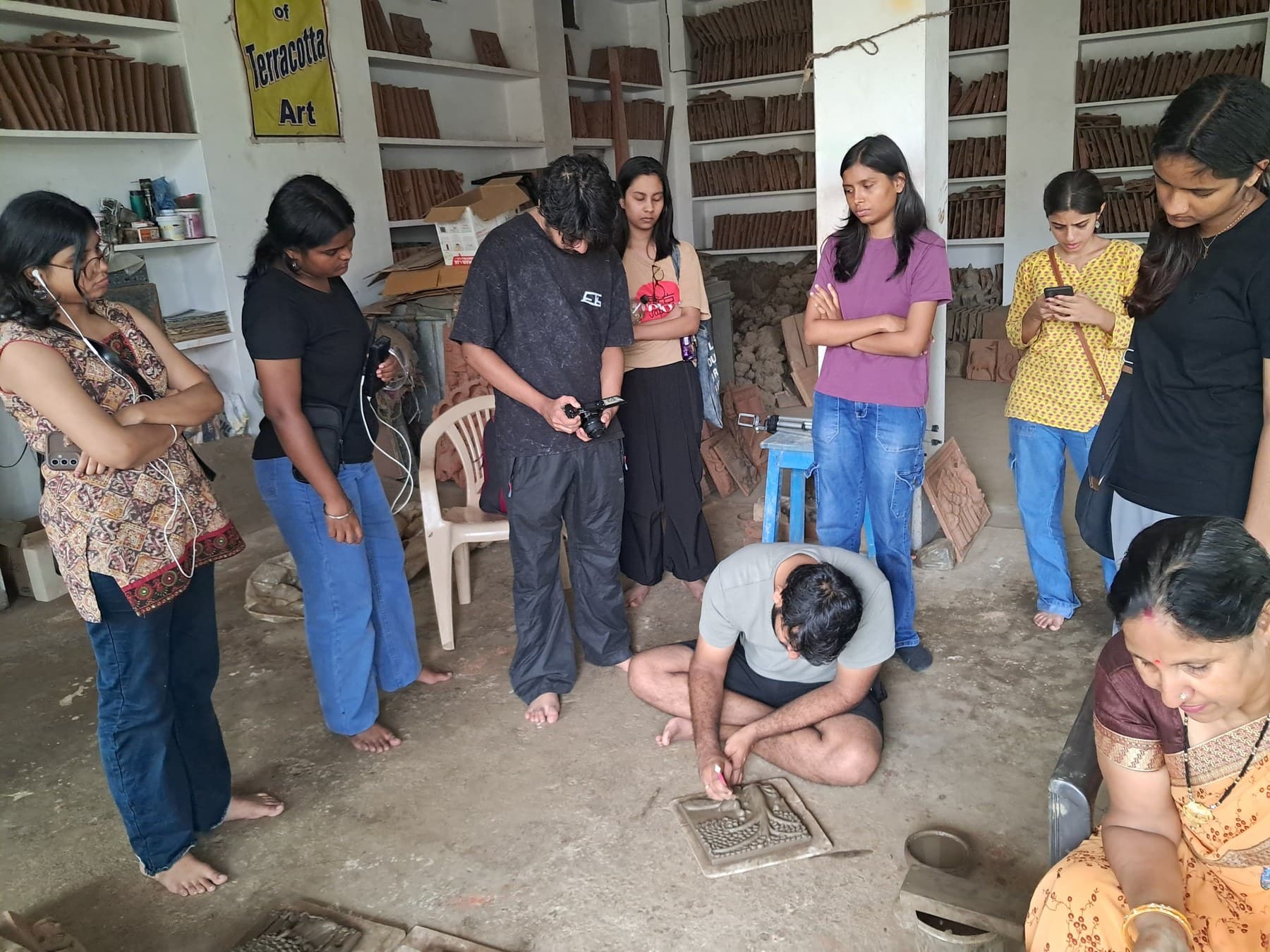
About Molela Terracotta & Clay Work

Discover the living heritage of Molela Terracotta—an 800-year-old GI-tagged hollow-relief craft sculpted from Banas River clay by the Kumhar potters of Rajasthan.

Living Heritage

The Pillars of Molela Clay Art

Preserved across 27 generations, Molela terracotta stands distinct among Indian pottery traditions for its sacred origins and master sculpting methods.

800-Year Sacred Lineage

Rooted in the legend of Andhkumar and Lord Dharmraj, Kumhar families have preserved sacred votive plaque crafting since the 13th century.

Hollow-Relief Technique

Figures are sculpted hollow from behind (*Khokhla Shaili*) using river Banas clay and donkey dung fibers, preventing firing stress and keeping large murals lightweight.

GI-67 Certified Craft

Officially registered by the Government of India as a Geographical Indication, ensuring every authentic piece originates in Molela village.

Frequently Asked Questions

Questions & Answers About Molela Craft Heritage

Key insights into the sacred origin story, craft techniques, and GI protection of Molela terracotta.

What is the origin story of Molela Terracotta?

According to folklore dating back over 800 years, a blind potter named Andhkumar was visited in a dream by Lord Dharmraj (Devnarayan), who instructed him to sculpt his icon in clay from the local pond. When the potter completed the idol, his eyesight was miraculously restored, giving birth to the sacred tradition.

What does the Geographical Indication (GI-67) status mean for Molela?

GI-67 certifies that authentic Molela Terracotta must originate from Molela village in Rajsamand, Rajasthan, using local Solakiyan pond clay and the traditional hand-modeled hollow-relief (*Khokhla*) technique. It legally protects the hereditary Kumhar community against mass-produced counterfeit ceramics.

Why is donkey dung used in the clay preparation?

Donkey dung (*gadhe ki leed*) contains fine, digested organic cellulose fibers. When thoroughly kneaded with clay, these fibers provide structural plasticity, eliminate shrinkage cracks during sun-drying, and burn away during firing to leave microscopic pores that make tiles thermally shock-resistant.

Who are the notable award-winning artisans of Molela?

Late Padma Shri Mohan Lal Kumhar brought global recognition to Molela terracotta. Today, his son Dinesh Chandra Kumhar (State and National Merit awardee) along with master artisan Kailash Devi lead the family studio in Molela village.

Privacy Policy

We respect your privacy. Contact details shared via WhatsApp, email, or workshop bookings are used solely to fulfill custom terracotta orders, ship parcels, and coordinate studio visits in Molela village. We never sell or share customer data with third parties.

Terms of Service

All plaques and murals are 100% handcrafted and wood-fired in Molela, Rajasthan. Slight variations in earth tone and hand-pressed relief dimensions are hallmarks of genuine GI-67 craft. Custom architectural commissions are crated and insured for transit across India and worldwide.

Editorial Policy

All historical, iconographic, and craft documentation on molelaterracotta.com is researched and verified by Master Artisan Dinesh Chandra Kumhar (National Awardee) and Umesh Kumhar to preserve accurate records of Mewar's 800-year Kumhar potter lineage.

Talk to us about a piece

Terracotta Artist Dinesh Chandra Kumhar is available for demonstration work, courses, trainings, workshops and exhibitions of Molela clay crafts. Murals and plaques are made to order in the size you need.